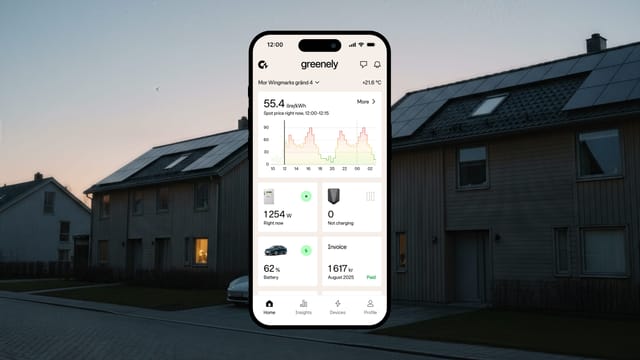

Building is easy. Standing out is hard.
I built a working prototype last week. It took me a day. And that was just the start. This week I built a complete Flutter design system in two days.
Not a wireframe. Not a clickable mockup. A real, functioning app with a database, authentication, and a clean interface. The kind of thing that would have taken weeks just a few years ago.
This is normal now. Anyone with a laptop and access to AI tools can build an MVP in hours. The technical barrier that used to separate ideas from products has almost disappeared.
And that changes everything.
The new bottleneck
When building was expensive and slow, the bottleneck was engineering. Could you find developers? Could you afford them? Could you manage a technical project without losing your mind?
Those problems haven’t vanished, but they’ve shrunk dramatically. Tools like Cursor, Claude, and Lovable turn ideas into working code faster than ever. A solo founder can now do what used to require a team.
So what’s the new bottleneck?
It’s not building. It’s being noticed. It’s convincing people to care about what you’ve built. It’s standing out in a world where everyone else can build things too.
The positioning problem
Here’s what I’m seeing: founders spend 90% of their energy on the product and 10% on positioning. That ratio made sense when shipping was the hard part. It doesn’t make sense anymore.
Your positioning is how you answer the question: why should anyone choose you?
Not why is your product good. Not why is your technology impressive. Why you, specifically, over everyone else who can build something similar?
This is where most builders struggle. They’re comfortable with code but uncomfortable with brand. They can explain features but not the story behind why those features matter.
The story is the strategy
Naomi Klein put it well:
“In a marketplace where it’s so easy to produce products, where your competitors can essentially match you on the product itself, you need to have something else. You need to have an added value, and that added value is the identity, the idea behind your brand.”
Your story is your strategy now. Not your tech stack. Not your feature list. Your story.
Why did you start this? What do you believe that others don’t? Who are you building for and why do you understand them better than anyone else?
Duolingo didn’t win because they had better language learning algorithms. They won because they built a personality. Duo the owl became famous. The brand became part of pop culture. That’s not something you can copy by cloning their codebase.
Your go-to-market is your moat
When everyone can build, distribution becomes the competitive advantage. How do you reach customers? How do you earn their trust?
The companies winning right now understand this. They’re not just shipping products. They’re building audiences before they ship. They’re creating content that positions them as experts. They’re building in public and gathering followers who will become customers.
A great product with no distribution loses to a good product with great distribution. Every time.
This is uncomfortable for technical founders. We want to believe that quality wins. That if we just make the product good enough, people will find it. That’s not how it works. You have to tell a story that makes people care.
What actually matters now
If I were starting a company today, here’s how I’d split my focus:
30% on building the product. Get to a working version quickly. Don’t over-engineer. Ship something you can show people.
30% on positioning and brand. Answer the question of why you exist. Find your narrow focus. Develop a voice and visual identity that feels distinctly yours.
40% on distribution and go-to-market. Build an audience. Create content. Develop relationships with potential customers before you need them.
This feels backwards if you’re used to product-first thinking. But in a world where building is cheap, attention is expensive. Spend accordingly.
The authenticity advantage
There’s good news here. AI can help you build faster, but it can’t fake authentic brand identity. It can’t manufacture your unique perspective. It can’t create genuine relationships with customers.
The more commoditized the building becomes, the more valuable the human elements become. Your story. Your taste. Your specific point of view on the problem you’re solving.
According to recent analysis, AI-built products are becoming the main way people judge whether a brand is trustworthy and competent. But trust still has to be earned the old-fashioned way: through consistency, quality, and genuine connection.
The shift is happening now
Every month, more people learn to build with AI. Every month, more products launch. The flood of competition is only going to increase.
The builders who will win aren’t necessarily the best engineers. They’re the ones who understand that the game has changed. That building is table stakes now. That the real work is everything that comes after: positioning, brand, story, distribution.
If you’re spending all your time on the product and none on how you’ll stand out, you’re optimizing for the wrong bottleneck.
The question isn’t whether you can build it.
The question is whether anyone will notice.