The designer who codes with AI
Something shifted for me this year. I’ve been a product designer for over two decades, but I’ve never really been a coder. Sure, I made some Basic games as a kid and I can handle HTML and CSS, but actual programming? Building real apps? That was always someone else’s job.
Until now.
2025 was the year I started building things with AI. Early on, I tested the waters, hit walls, got frustrated. The AI tools were impressive but unreliable. You’d get 80% of the way there and then spend hours stuck on something neither of us could fix.
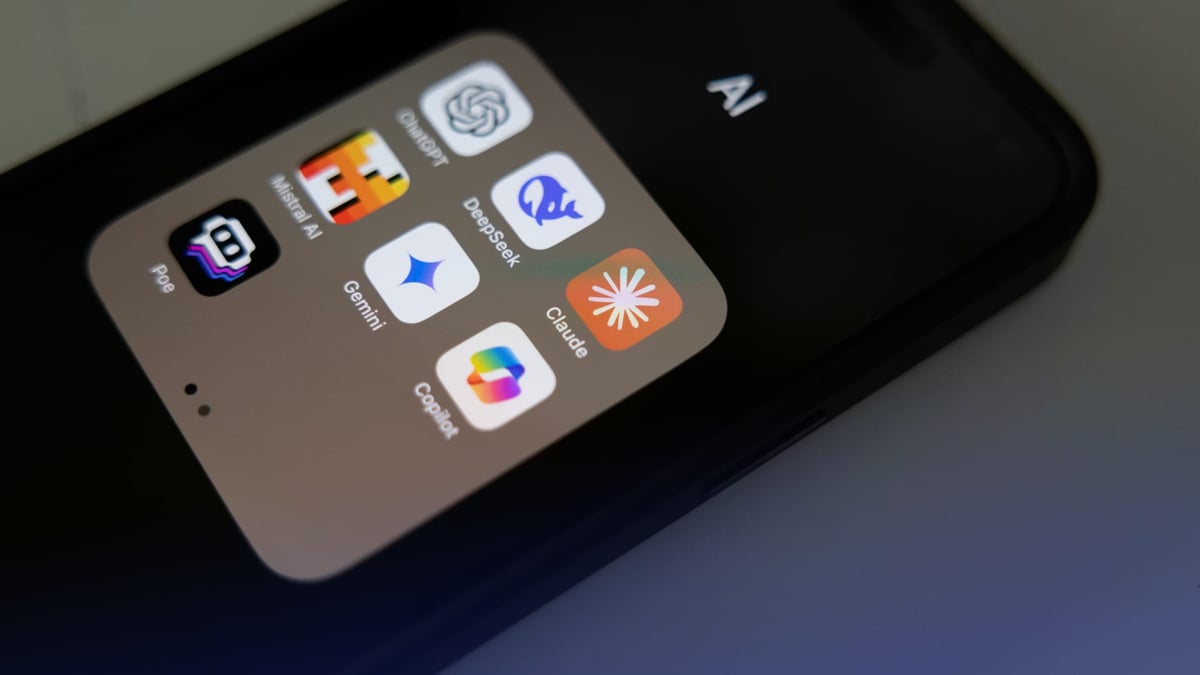
That changed with the latest version of Claude Opus 4.5 and Claude Code. It’s genuinely a game changer. Things just… work now. Most of the time, on the first try. And I’m not tweaking code someone else wrote. I’m building from scratch.
Where it still struggles
I don’t want to oversell this. Complex codebases are still tricky, especially when the existing code wasn’t great to begin with. Projects with lots of dependencies across different repos or backend systems can still trip things up. But starting from scratch? I feel confident I can build almost anything and make it work. Maybe not production-perfect, but close.
And here’s the thing: I believe 2026 will solve most of these remaining issues. We’re that close.
A new way of working
This changes how I think about development entirely. It’s no longer about carefully planning everything upfront because coding is expensive and time-consuming. Now it’s about testing fast. Building fast. Iterating fast.
The old way: spend weeks in Figma, perfect every detail, hand off to developers, wait, review, repeat.
The new way: have an idea, build it, test it, learn, iterate. The loop from concept to working prototype has collapsed from weeks to hours.
Any tech stack or workflow that makes this loop faster is worth adopting. Speed of iteration beats perfection of planning.
I notice I use Figma less now. Problems I used to solve with mockups, I solve in code instead. It’s faster to build the real thing and see if it works than to design a picture of it.
What does this mean for designers?
The role is changing. Not disappearing, but expanding. Design thinking, user empathy, taste, knowing what to build and why. These matter more than ever. But the boundary between “designer” and “builder” is dissolving.
I’m not becoming a developer. I never learned to code properly and I probably never will. But I’ve become a designer who can bring ideas to life without waiting for anyone else. That’s a big deal.
The question now
The exciting part isn’t what I can build anymore. It’s what I should build. When almost anything is possible, the constraint shifts from capability to clarity. What’s worth spending time on? What problems actually matter?
One answer I landed on: Mira, an AI tool for customer research. It scratches my own itch and solves a real problem.
2026 is going to be an interesting year. The tools are ready. The possibilities are endless. Now I just need to pick the right things to make.
Also read Better questions for your startup